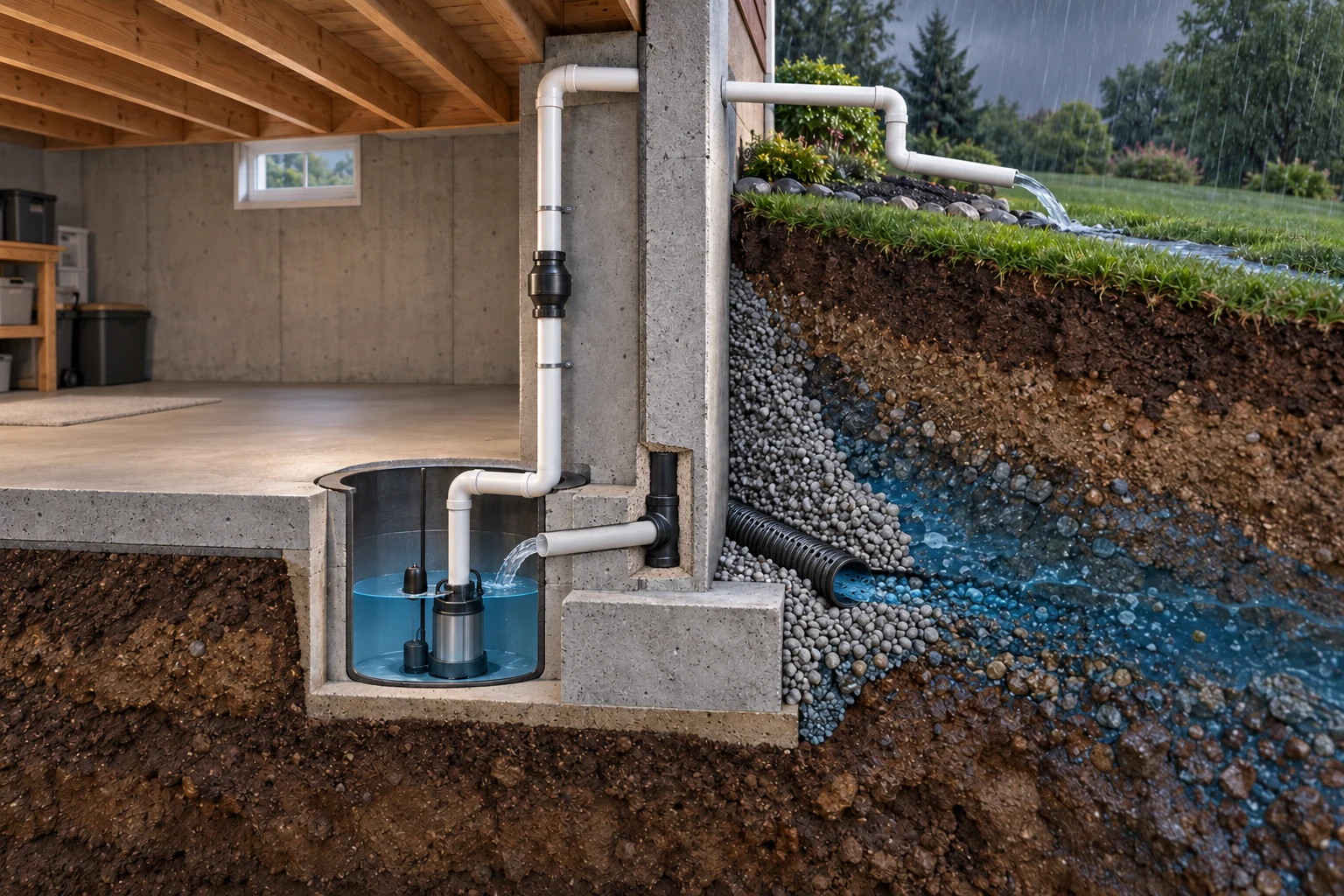
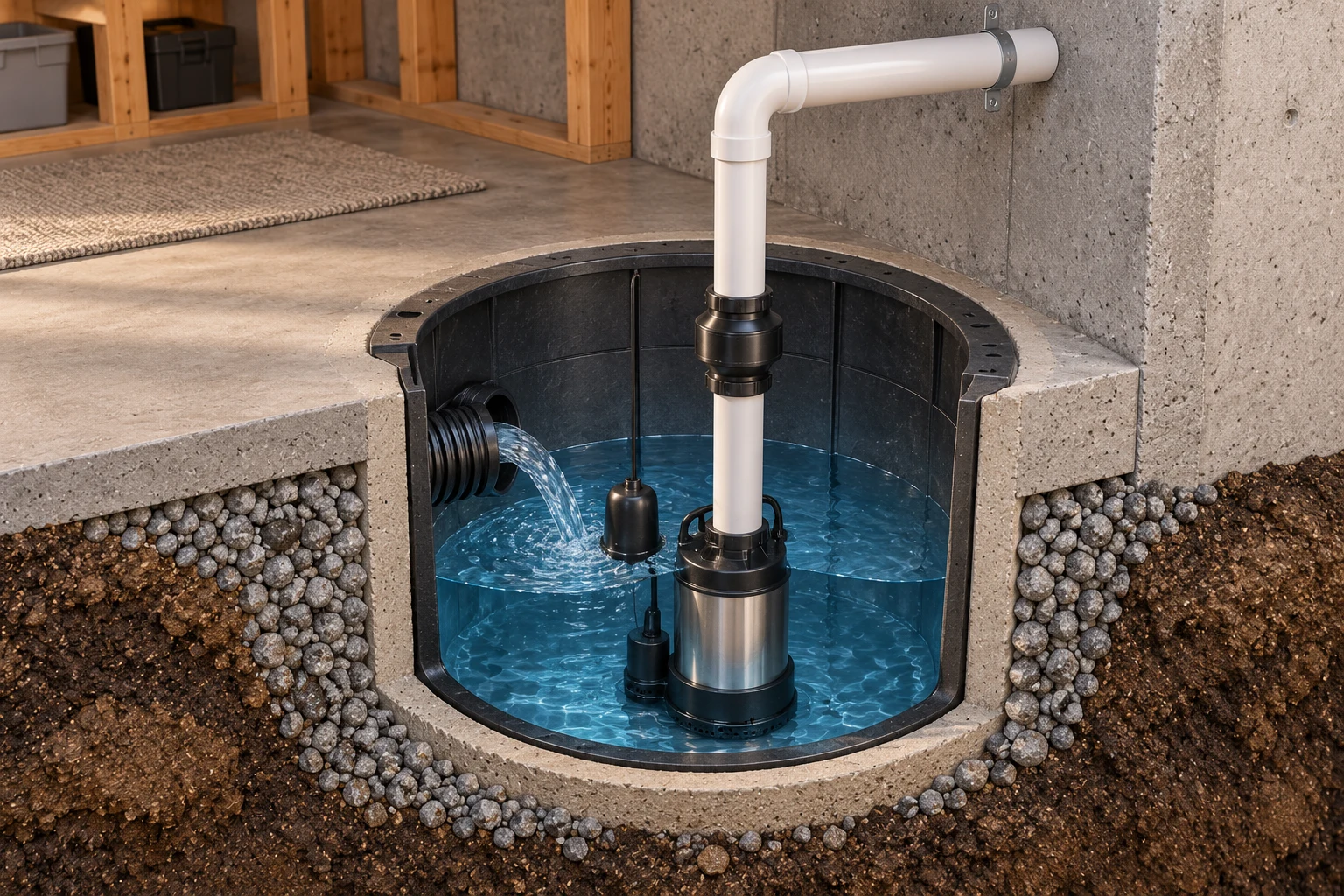
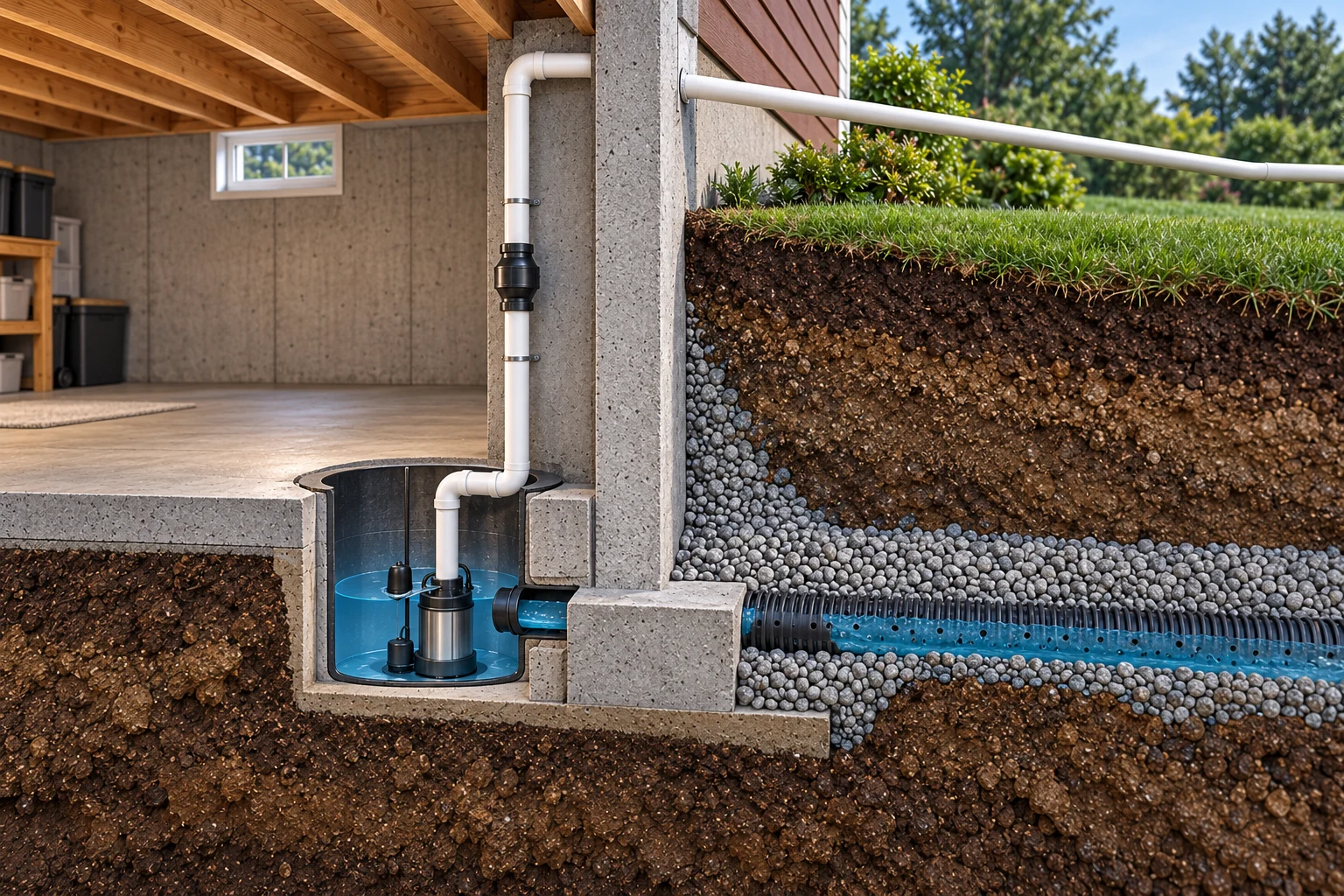
The foundation drain collects groundwater near the footing. In this drawn layout, a connected inlet carries it into the basin below the basement floor.
HOME INTELLIGENCE, MADE VISIBLE.A home is more
A home is more
than what you see.
Open it up. Follow the connections.
Understand the place you call home.
FOR THE HOME YOU OWN.
AND THE ONE YOU’RE CONSIDERING.
AND THE ONE YOU’RE CONSIDERING.
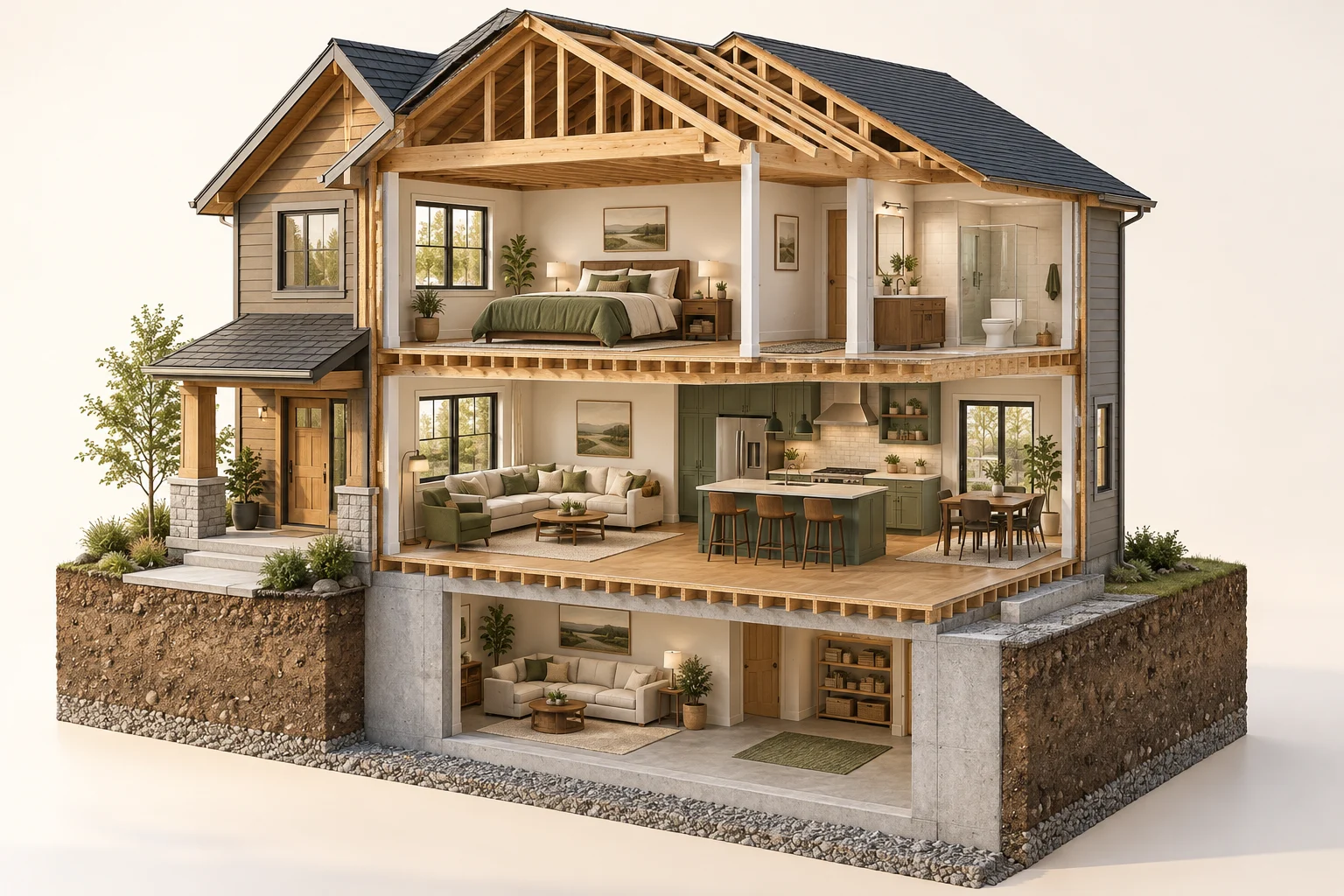
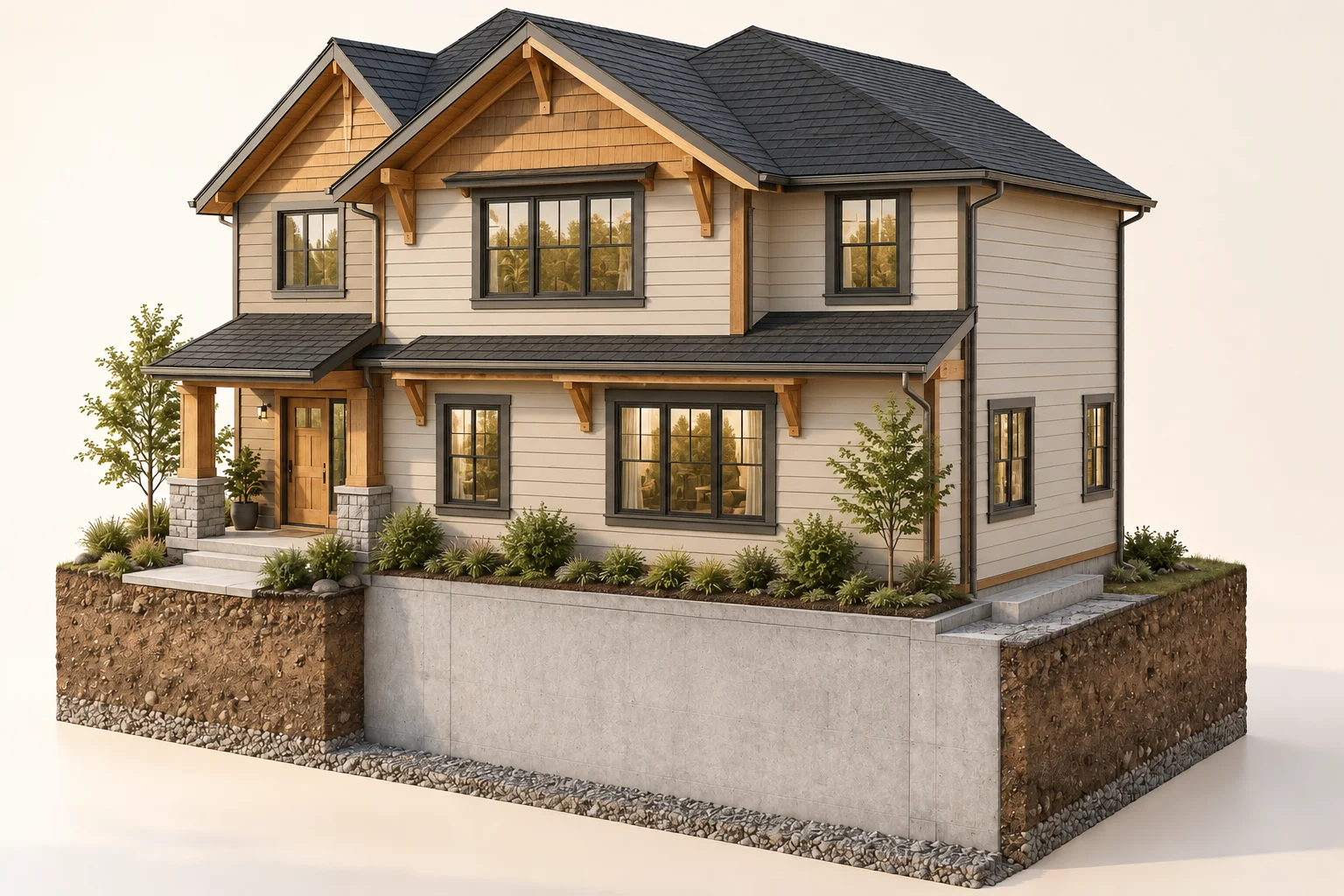
CHANGE YOUR PERSPECTIVE
01 / ONE CONNECTION CHANGES THE PICTUREDon’t just see the pump.
Don’t just see the pump.
Follow the water.
From the ground outside to the pit below your floor—and the separate route back out. Three closer looks at one possible arrangement.
Paused · 1 of 3
Groundwater→Collection drain→Sump basin↑Pump & discharge→Locally permitted destination
The basin receives water. A rising float starts the pump in this example, and the pump supplies the lift into the separate discharge pipe.
The discharge carries pumped water onward. Its wall exit is only part of the route: confirm the locally permitted destination and winter arrangements for the actual home.
A successful fictional cycle, at a reading pace. Groundwater drainage and sewage backup are different questions.
A home is more
than a place.
It’s somewhere to live. Something to care for.
A world worth getting to know.
HomeAI is your guide to understanding it.

THE EVERYDAY, UNDERSTOODFor the life
For the life
inside.
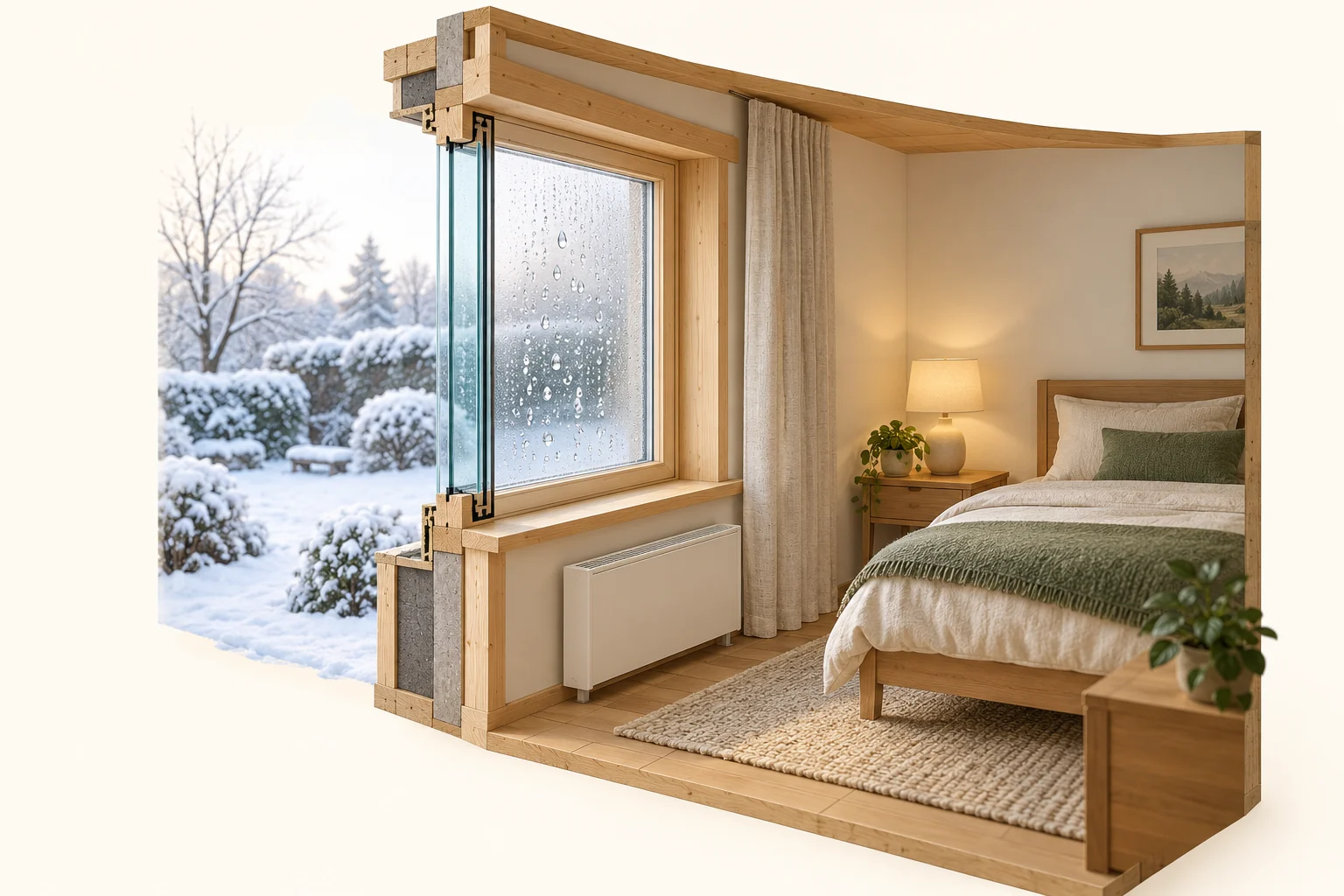
The room you unwind in. The first cold morning. The little things you notice every day. HomeAI helps you connect how home feels with how it works.
SMALL CLUES. BETTER QUESTIONS.A little more
A little more
understanding.
A window that fogs. A room that never warms up. A mark that keeps returning. Start with what you noticed, explore the possible connections, and prepare a useful next question.
LOVE THE HOME. KNOW THE QUESTIONS.See the place.
See the place.
Read the story.
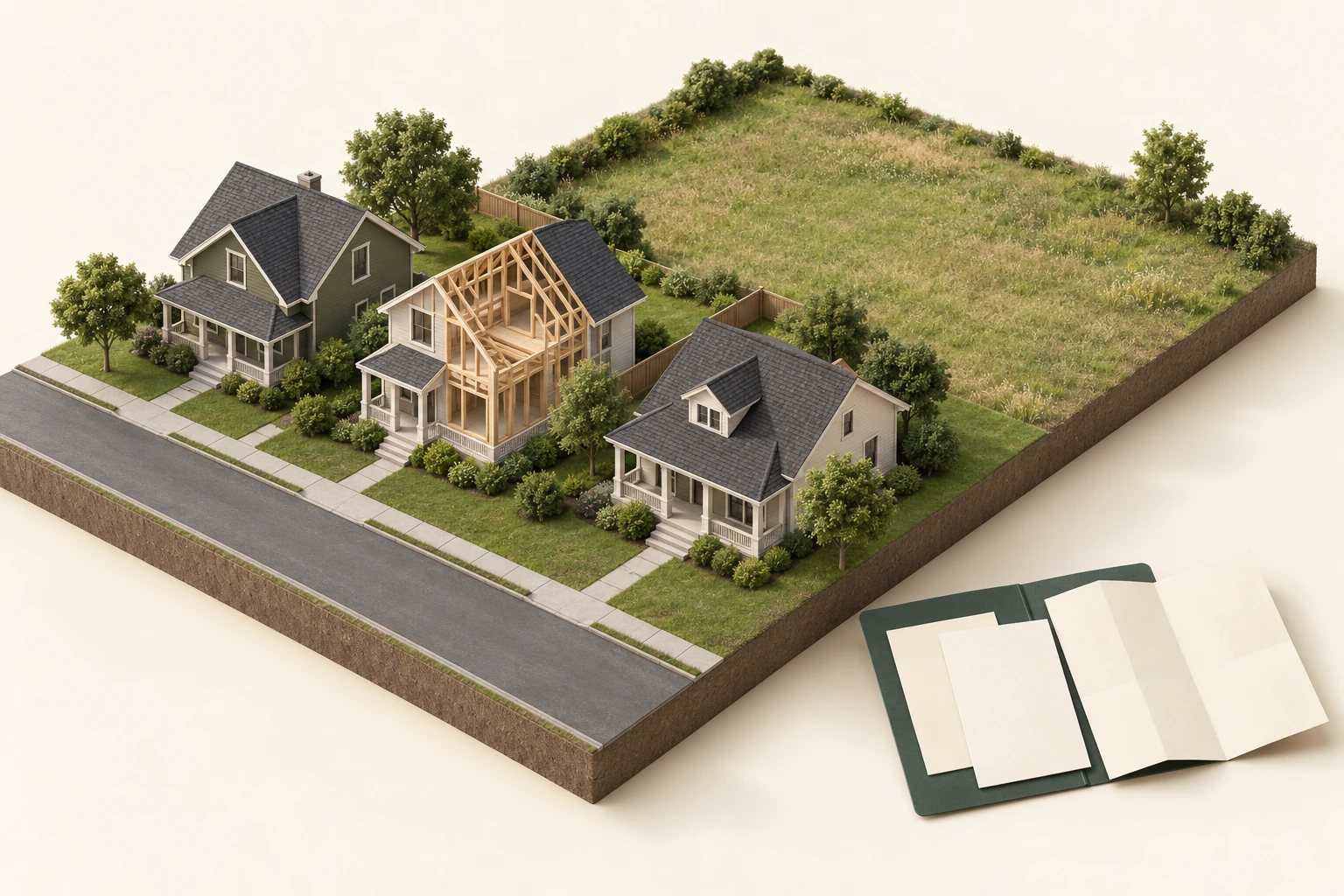
The finishes are one part of the picture. Get curious about the systems, the records and the place around them—before the next home becomes your home.
GOOD IDEAS START WITH CONTEXTMake it yours.
Make it yours.
Know what connects.
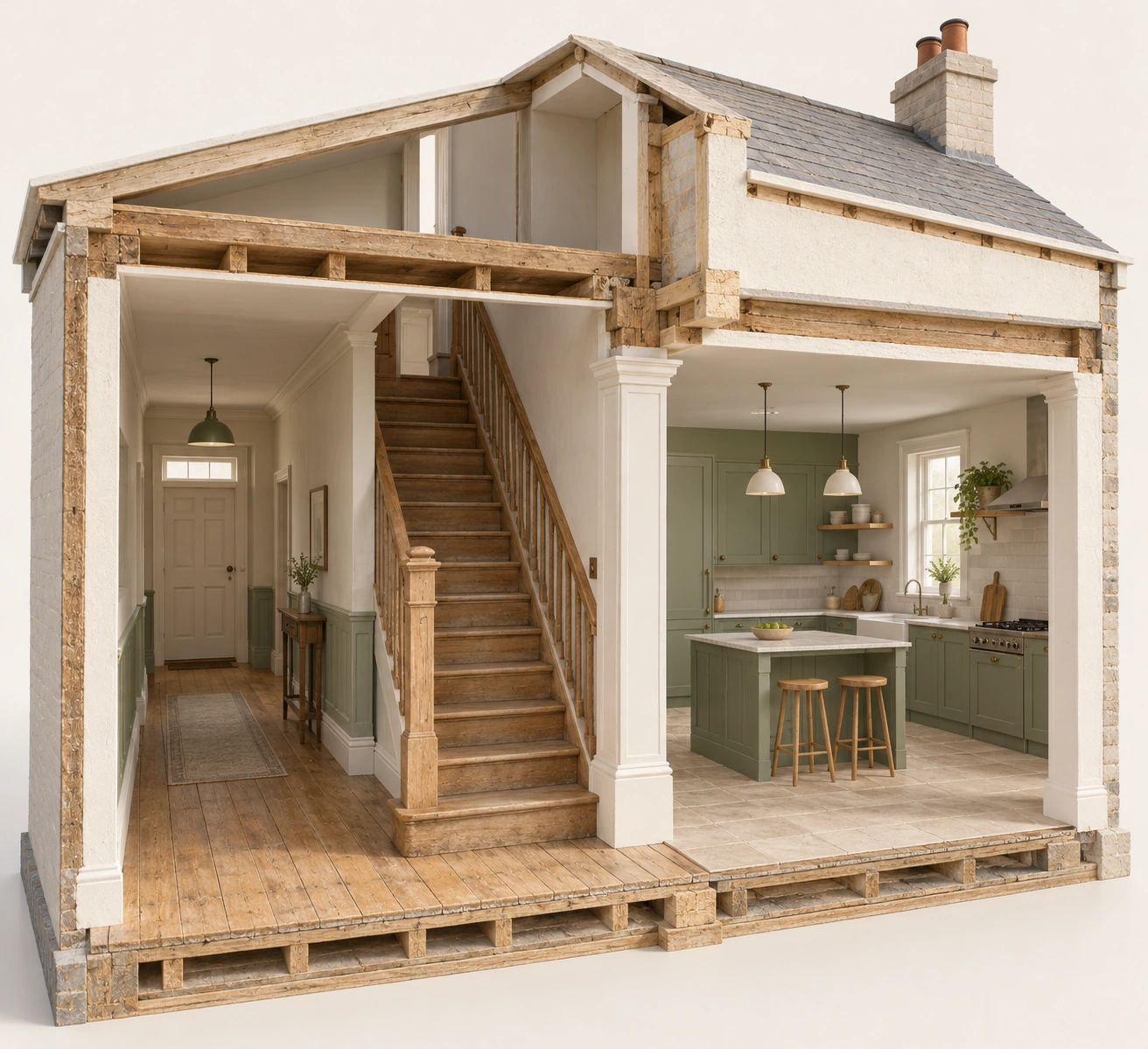
A new kitchen, a different layout, a more comfortable room. Look beyond the finished idea to the structure, services and records that belong in the conversation.
AI-generated conceptual illustrations. Every actual home has its own story.Explore what lies beneath
Five systems.
One connected home.
Look through the finish. Follow the part, the job and the question it opens up.
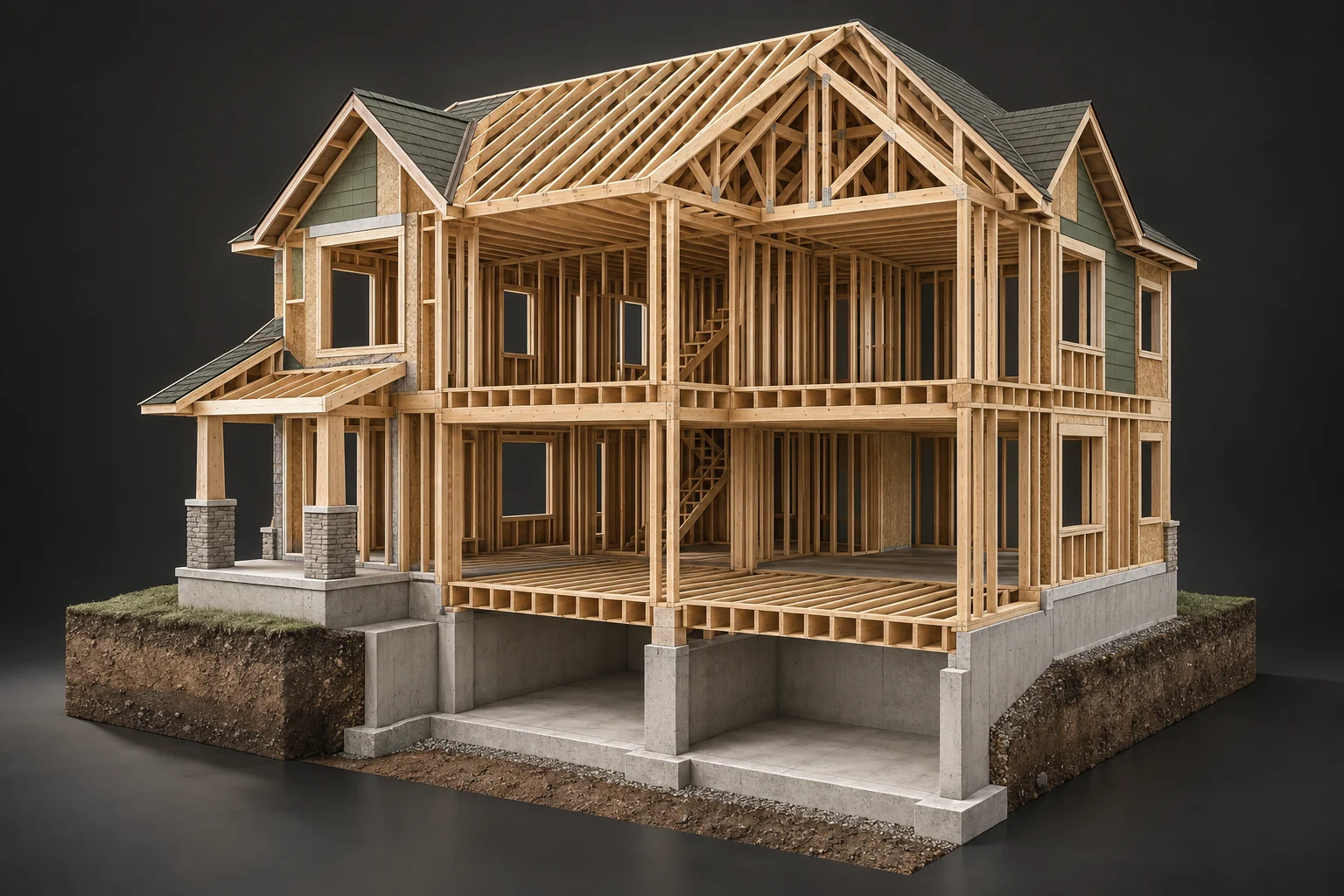
The quiet strength holding it all together.
Behind the room you love is a connected route from roof to ground. An open floor plan changes more than the view.
What carries the load when a wall changes?
A teaching skeleton. Actual loads, connections and capacity need property-specific assessment.
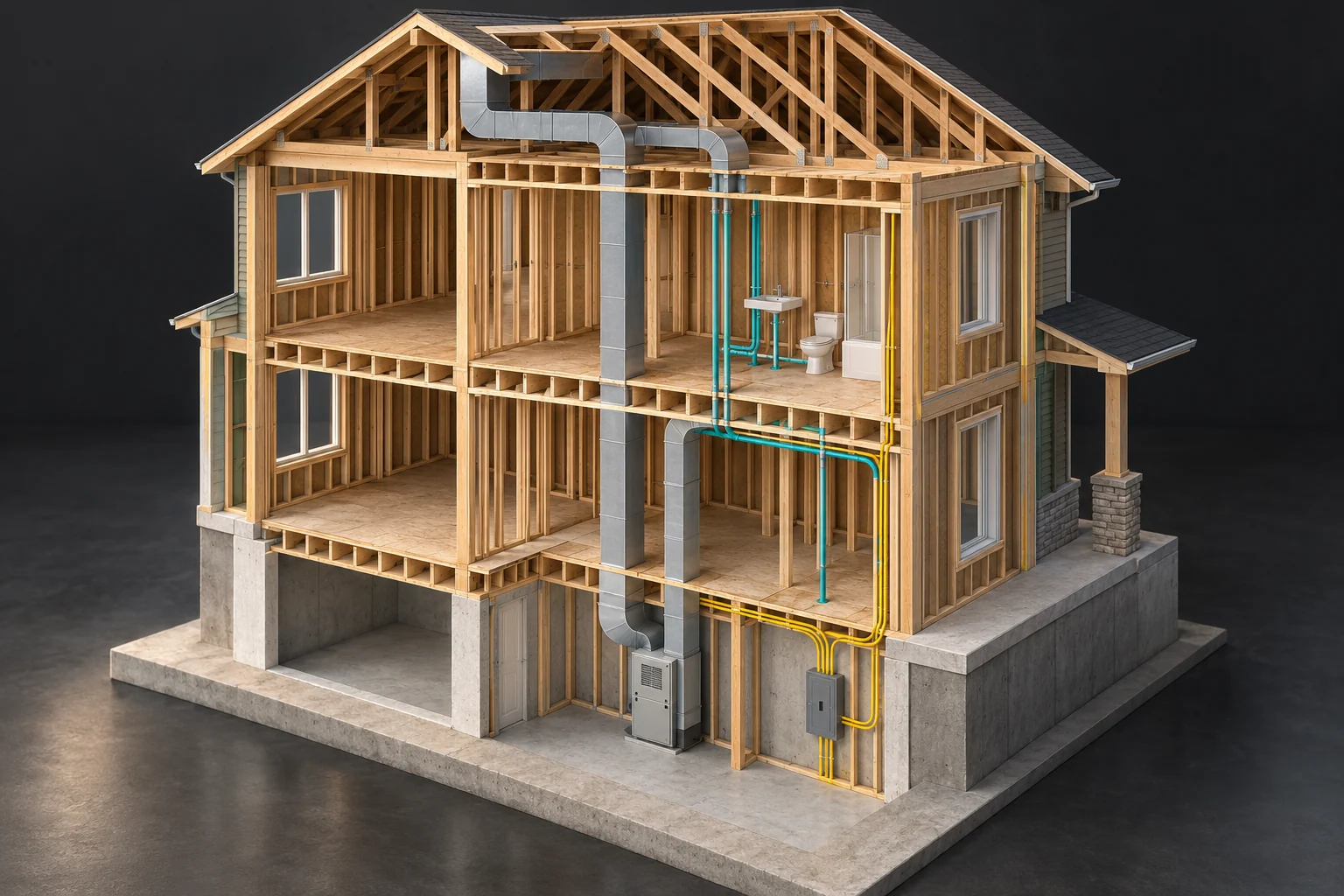
Comfort has a route.
Warm air arriving is only part of the story. Air needs a route back, while the room keeps losing heat to its surroundings.
Why is this room colder than the rest?
Illustrated service routes. Airflow, pressure and performance are not measured here.
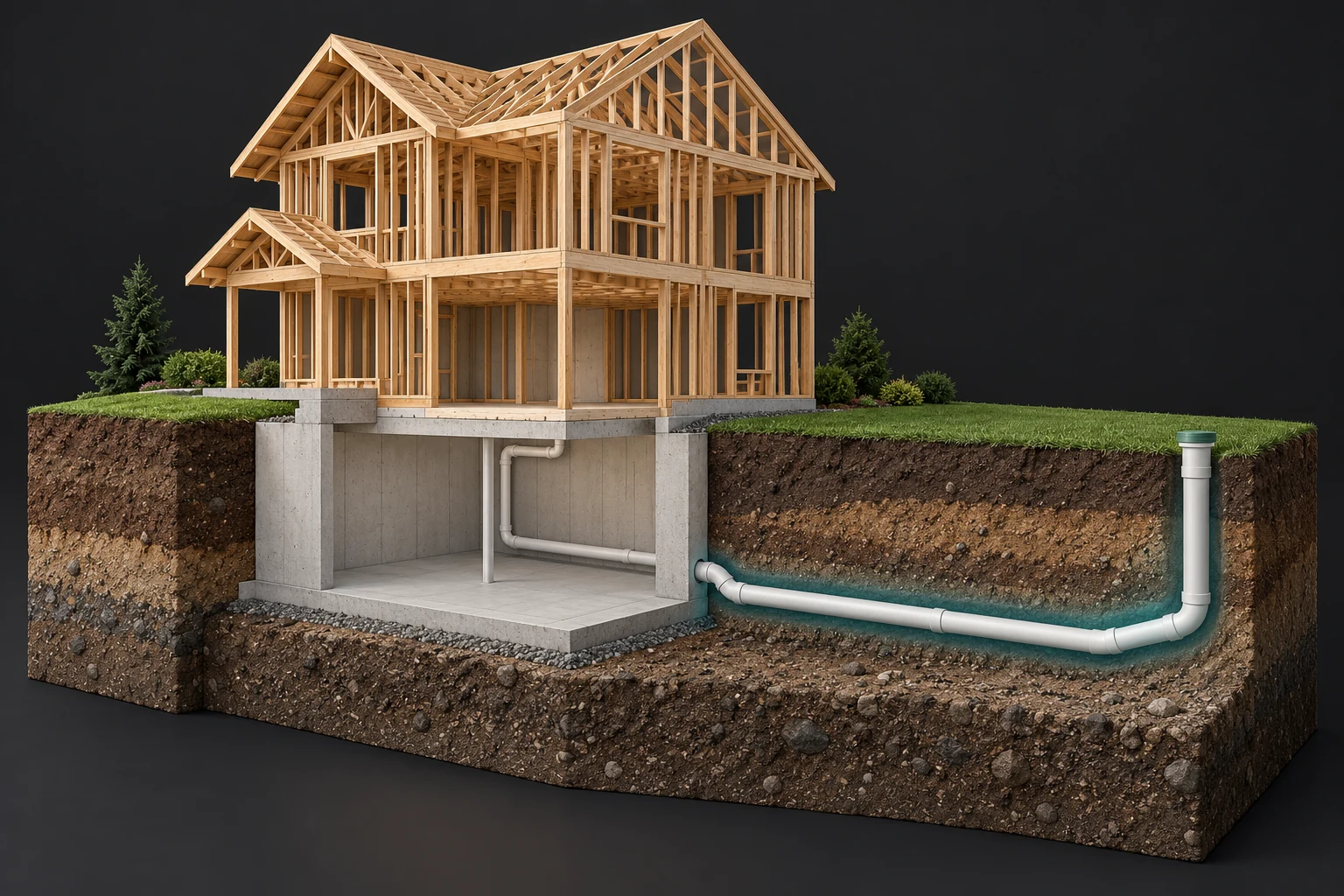
Out of sight. Still part of home.
The story continues below the floor and beyond the walls. Buried pipes, their installation and the surrounding ground belong in the same conversation.
What do we actually know about the buried drain?
A conceptual buried service. No measured route, grade, condition or ownership boundary is shown.
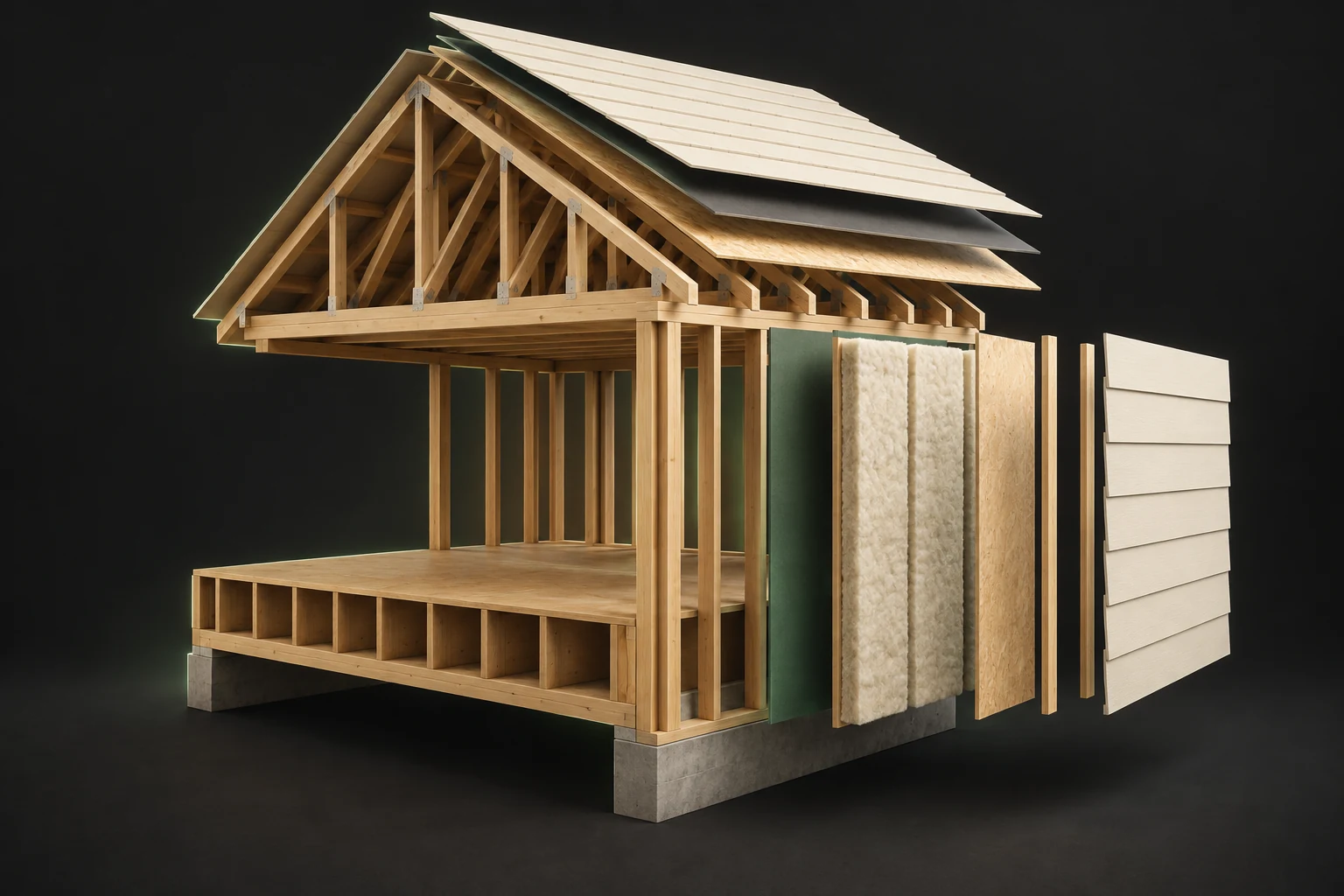
Four jobs. One wall.
Rain, air, heat and vapour behave differently. The layers behind a beautiful finish each have a job—and the joins matter.
What is each layer doing for the home?
Separated layers explain functions, not a universal assembly or installation sequence.
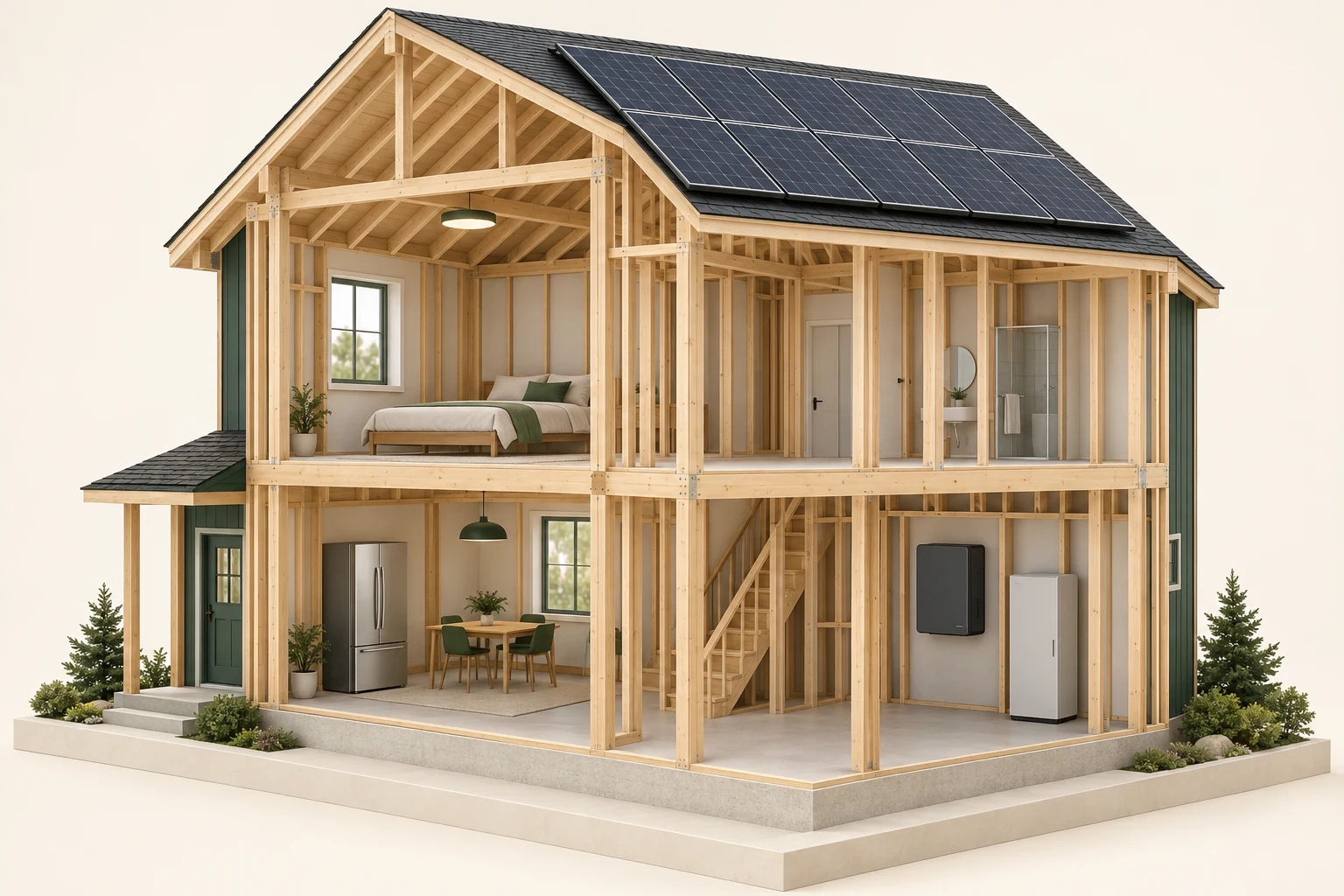
Power is a system. Not a promise.
Generation, stored energy and the loads you want to keep running are different questions. Start with the actual equipment and the documented backup arrangement.
What would stay powered during an outage?
Conceptual equipment forms. The picture establishes no ratings, connections or backup capability.
Original AI-generated teaching illustrations. Different conceptual homes, not measured property conditions.
Your home.
Connected.
Choose a system in the house. Read its explanation, or bring your question to HomeAI.
THE HOME EXPLORER
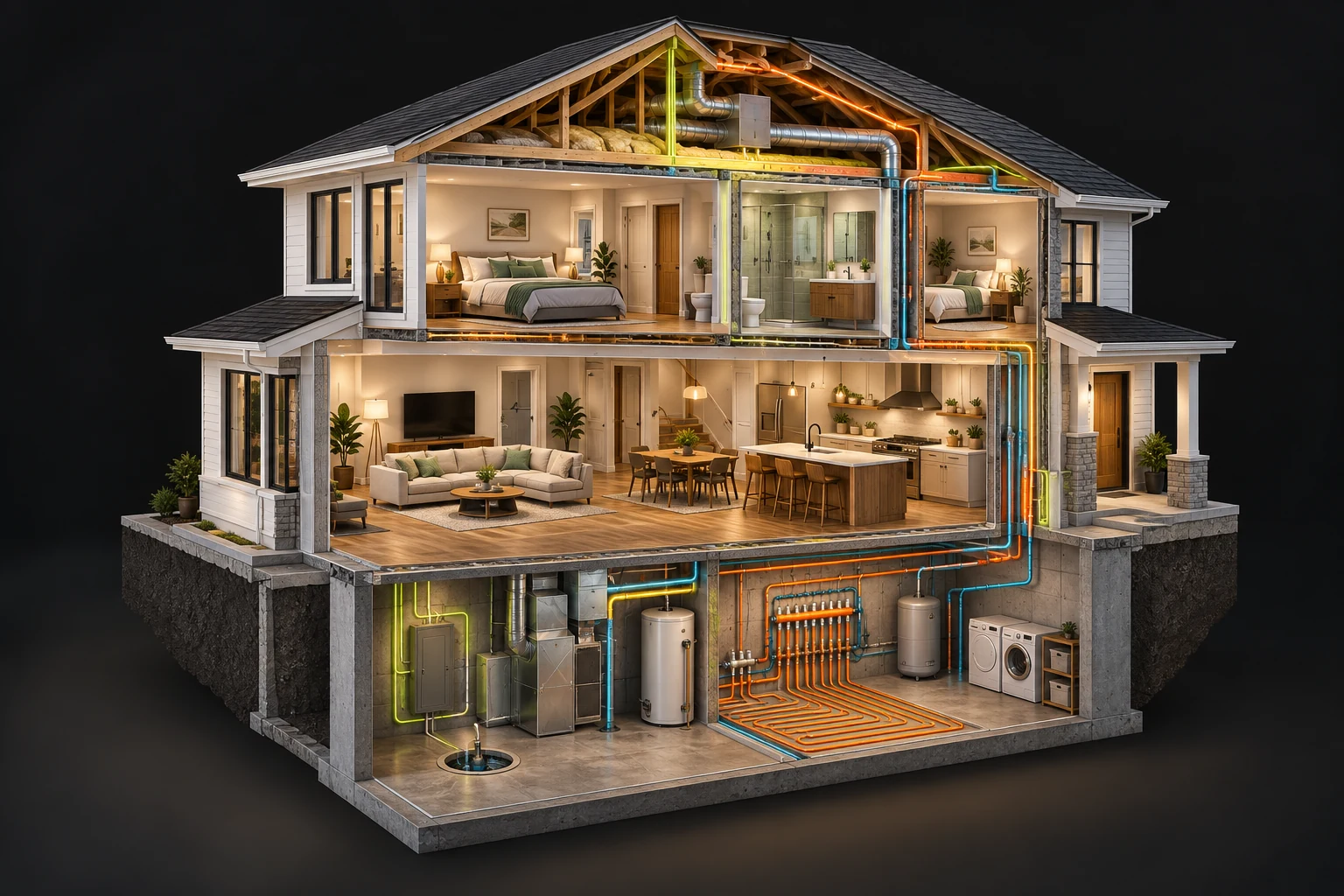
CONCEPTUAL HOMEILLUSTRATION · NOT MEASURED CONDITIONS
FLOW · PRESSURE · TEMPERATURE
Follow the air. Find the restriction.
Heating equipment supplies heat, but ducts, returns, filters and the building envelope determine where it goes. Compare one uncomfortable room with the whole home before blaming the furnace.
A GOOD QUESTION IS A GREAT PLACE TO START.
Explore the guide library ↗Curiosity. Meet clarity.

A window is wet. What is it telling you?
Separate moisture in the room from the temperature of the glass.
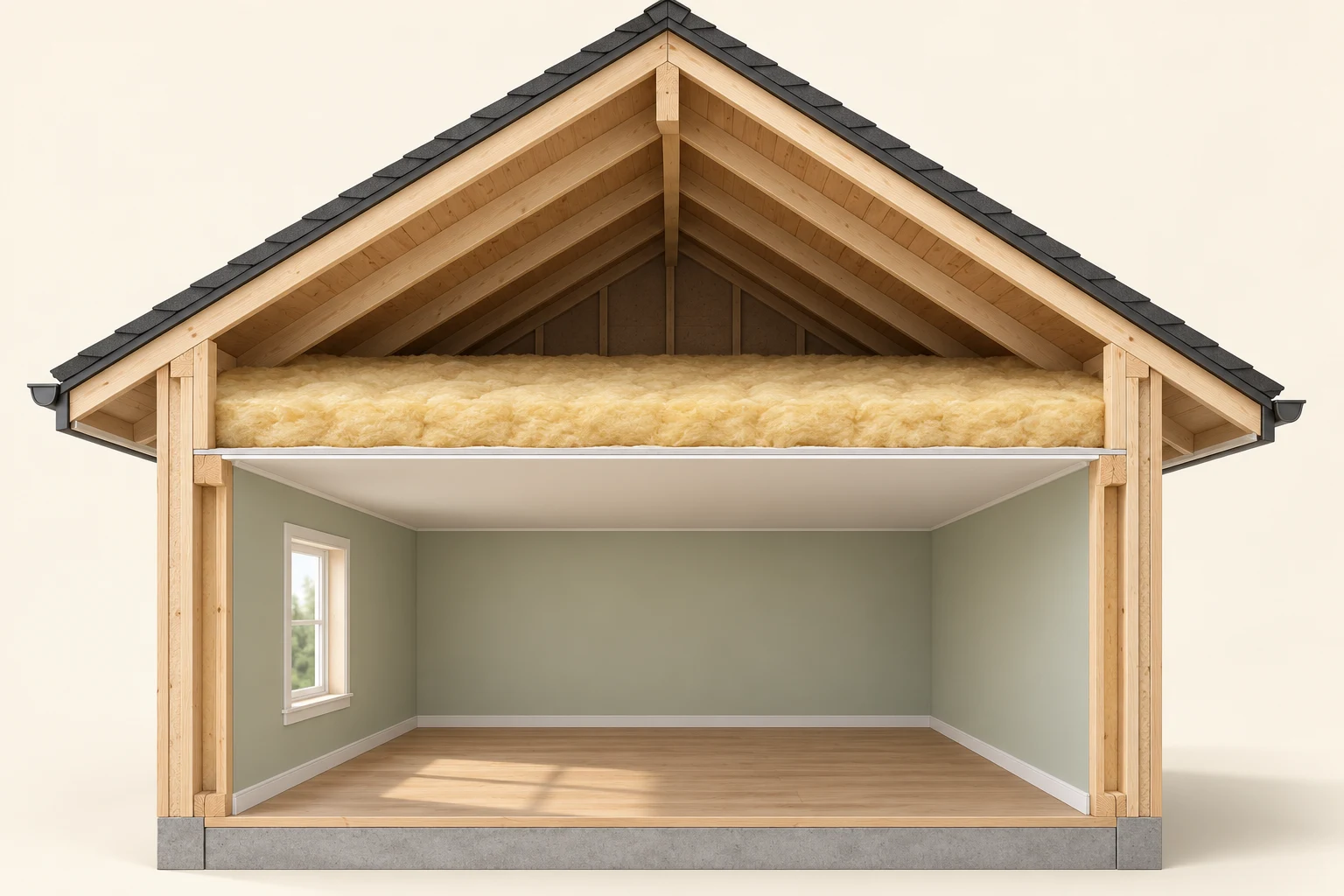
A new roof. A better question.
Look beyond the covering to the layers and connections beneath.
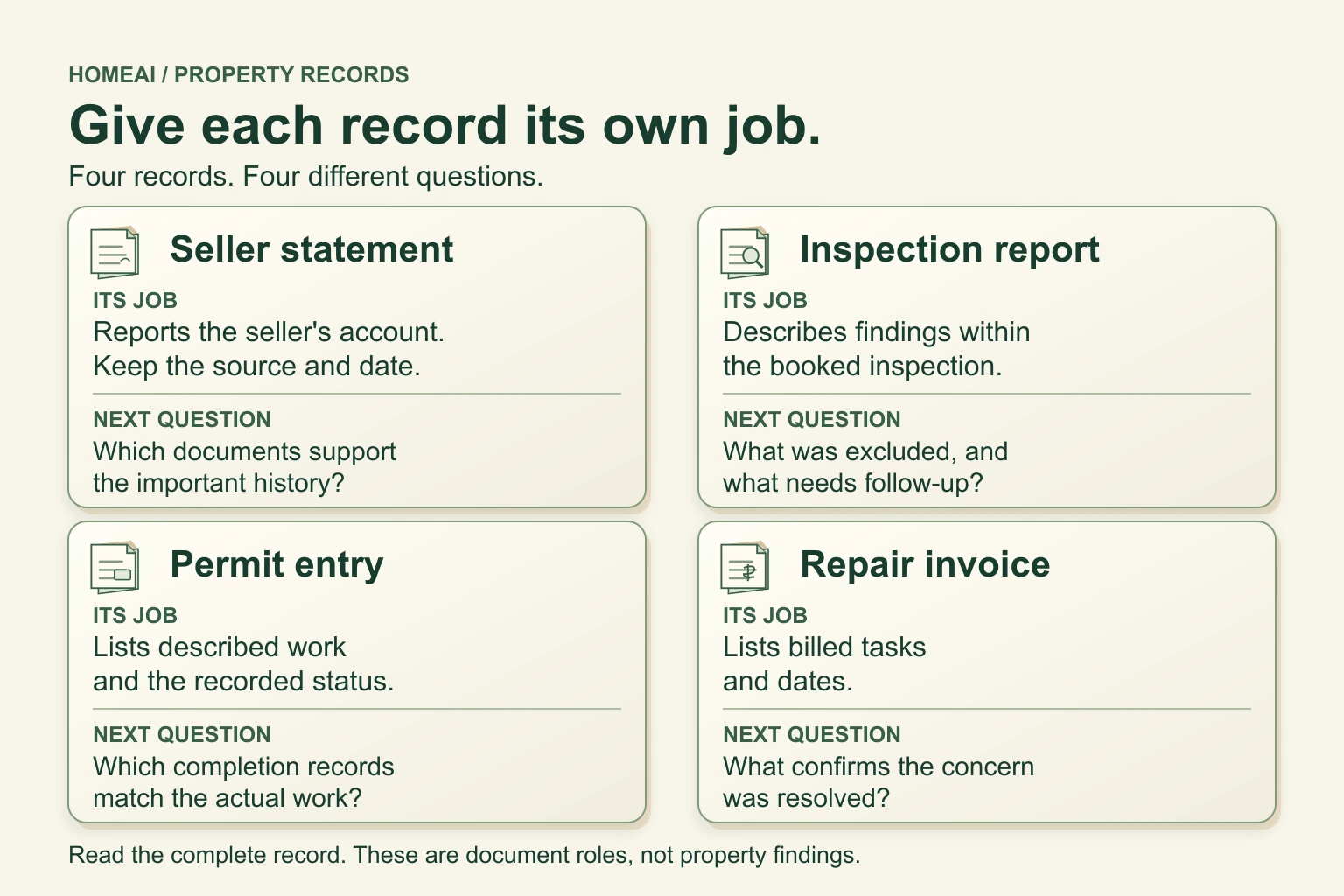
Love the home. Understand the evidence.
Bring the records, visible condition and unanswered questions together.
Illustrations explain selected parts and functions. They do not establish the condition of a real home.
FROM A LITTLE CURIOUS TO A LITTLE CLEARERGood questions.
Good questions.
Worth keeping.
Your home has a history. Your questions deserve a place, too. Gather observations, records and next steps into a Home Plan you can return to—or print for a conversation with a professional.
Start your home plan A place to think it through. One question at a time.HomeAIEXAMPLE HOME PLAN
The room
upstairs.
- 01 / WHAT I NOTICED
It feels colder than the rest of the house.
- 02 / WHAT I WANT TO UNDERSTAND
Is it the air reaching the room, the heat leaving it, or both?
- 03 / WHAT TO BRING
Notes on timing, weather and recent changes.
A QUESTION, READY FOR A CONVERSATION